“In antiquity the very idea of urbs, which means city, is associated with ploughing, as the word is etymologically connected to urvum, which is the curve of a ploughshare. IN addition, it relates to orbis, which is a curved object: a globe and the world. Yet, thinking of the city primarily as a tissue of buildings, streets, and public squares stands in opposition to the idea of the city as primarily a community of citizens, as expressed in Nicias’s poignant words to the Athenian soldiers after the defeat at Syracuse: ‘You are yourselves the town, wherever you choose to settle…it is men that make the city, not the walls and ships without them.’”
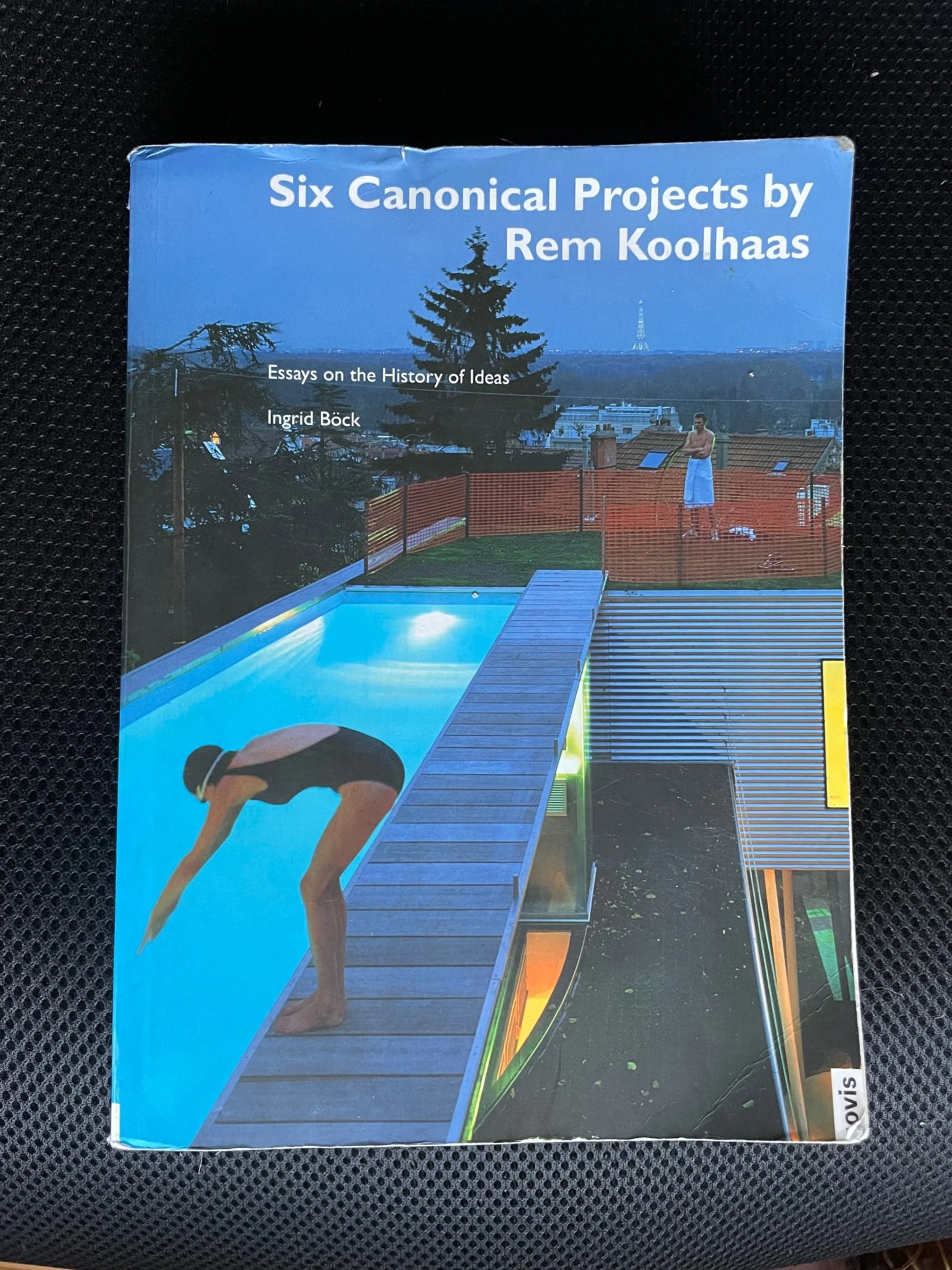
-Ingrid Bock, 2015